Throughout nearly five decades with TTC, for Ms. Huynh Bich Ngoc the Group’s Permanent Vice Chairwoman and CEO success has always gone hand in hand with responsibility; ultimately, the most precious aspect of life is perhaps what one can give back to the community.
From the days she accompanied her mother on a trading boat before dawn in Ben Tre, Ms. Huynh Bich Ngoc early on grasped the value of hard work and sharing. Those humble memories stayed with her throughout the journey of building TTC, shaping her perspective on business, family, and community responsibility. More than 47 years later, looking back on the path traveled, she frequently speaks of a "green heart" a spirit nurtured by the ordinary details of life that serves as the foundation for how she lives, works, and passes on values to the next generation.
As a native of Ben Tre, you grew up amidst stories of real life and trade, deeply understanding the hardships and toil of farmers. Starting from scratch, you and your husband (entrepreneur Dang Van Thanh) transformed TTC from a small alcohol production facility into a multi-sector investment conglomerate. How do you feel when looking back on that journey?
Throughout the more than 47 years of TTC Group’s formation and development, the emotions I feel most strongly are gratitude and pride. I am grateful to my hometown where I grew up and to the friends and colleagues who have stood by my husband and me since the very early days of our venture.
Back then, the work was simply about making a living, achieving financial independence, and caring for our family. Starting with nothing, we learned as we went, scrimping and saving every penny, making the most of whatever resources we had, and relying on our own efforts. That small facility gradually grew over the years.
When the country opened up, more opportunities arose. Fortunately, TTC was well-received by the market, creating favorable conditions for further growth. Looking back, the hardships of those early, lean years were both a challenge and a driving force that motivated us to keep moving forward.
Forty-seven years is a long journey marked by many ups and downs. Above all, I find the most valuable aspect to be the contributions TTC has made to the community and society.
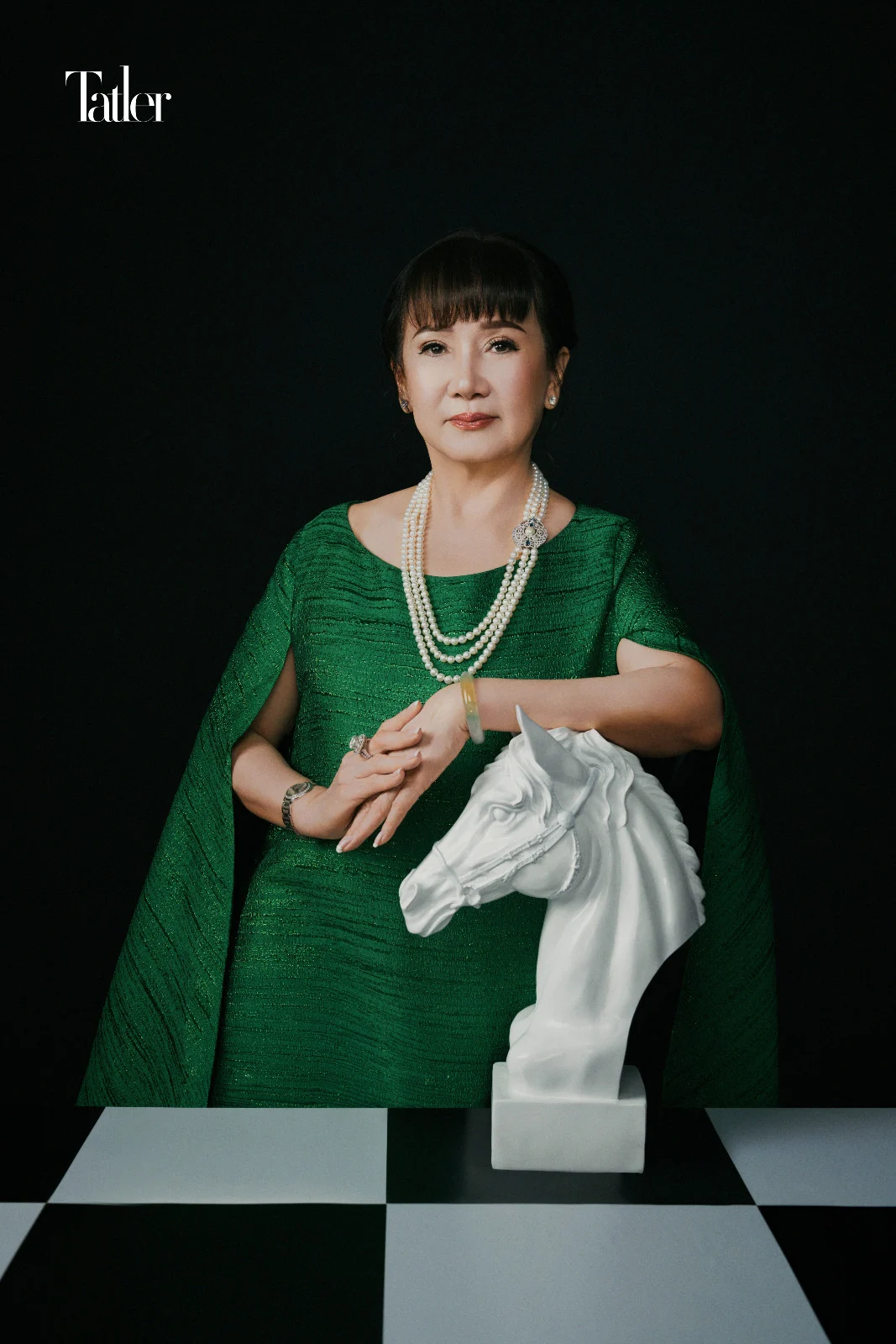
Whenever I travel abroad, I am delighted to see so many TTC products on store shelves. How do you feel when you see those images?
I am truly happy and deeply moved; for a businessperson, there is no greater joy than seeing products created by oneself and one's team being embraced by consumers.
To me, every TTC product entering the international market carries not only the corporate brand but also Vietnamese pride whether it is sugar, coconut water, tea, bananas, pineapples, or rice.
In the past, we only consumed coconut water and coconut meat; today, however, we can utilize every part of the coconut tree from root to crown to create high-value products for markets worldwide. That brings me great joy.
“Green” is a consistent guiding principle for TTC Group, spanning sectors such as energy, agriculture, real estate, tourism, and education. Why “green”?
“Green” or ESG is currently a global trend that all businesses must pursue as the world faces challenges like climate change, resource depletion, and food security issues. For nearly five decades, TTC has adopted a “green mindset” as its business foundation, gradually translating this into concrete goals and actions across every sector. This means that whatever we do, we consider long-term value not just for the business, but also for our employees, the community, and the environment. For instance, in agriculture, we utilize natural predators (such as *Trichogramma* wasps) and organic fertilizers to protect both our crops and the environment.
In the energy sector, we focus on renewable energy specifically solar and wind power to reduce emissions. In our real estate and industrial property ventures, we prioritize environmentally conscious projects that dedicate significant land area to greenery. For instance, our Selavia project in Phu Quoc was developed alongside efforts to protect the marine ecosystem, preserve the pristine coastline, and minimize adverse impacts on the natural landscape.
We are also progressively integrating sustainable development standards into our tourism and education operations. In the tourism sector specifically, each hotel and destination serves as a unique reflection of regional culture; visitors come not only to sightsee or relax but also to personally experience and gain a deeper understanding of local cultural values.
Furthermore, our corporate culture must also be "green" manifested in how we treat one another, our customers, our partners, and the community. I firmly believe that while strategies may evolve over time, the sincerity and integrity of a business leader must remain steadfast.
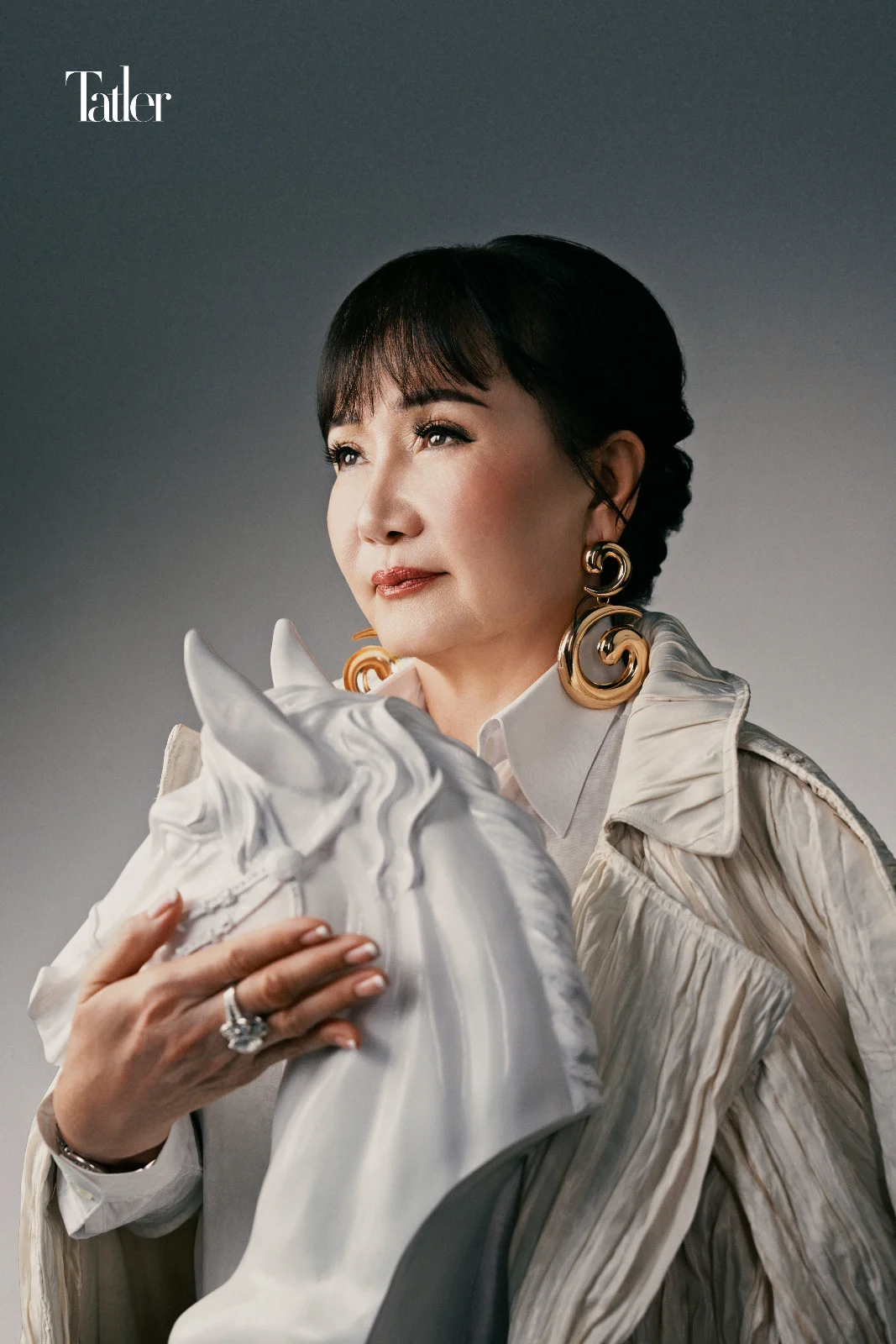
In today's challenging market environment, what core values does TTC rely on, and what strategies have been implemented to build investor confidence particularly among long-standing shareholders?
Throughout our 47-year history, we have navigated numerous market cycles times of prosperity and times of adversity. However, in business, challenges are not mere obstacles; they are the ultimate test of mettle.
What has enabled us to remain steadfast is our unwavering commitment to five core values values that any entrepreneur or enterprise must uphold. These include ceaseless effort, professionalism, and a sense of responsibility aimed at creating added value for our employees, customers, investors, the state budget, and society as a whole.
TTC has undergone various stages of growth and expansion. In your view, what key management principles have allowed TTC to maintain its growth momentum while preserving its corporate identity and stakeholder trust?
I believe that as a business grows, its management must become increasingly clear and disciplined. At TTC, we adhere to the principle of "Centralized Governance – Decentralized Operations – Accountable Control." Every level and unit must clearly understand its assigned tasks and scope of responsibility, and must strictly follow established processes.
Yet, management is about more than just processes. I place great importance on people and culture; while a business may alter its models or expand into new sectors, its core values must remain intact. That is why TTC consistently prioritizes building a strong core team and a solid corporate culture.
Ultimately, I believe that trust is difficult to build but easily lost. My husband and I often teach our children and grandchildren: "Losing money is nothing; losing love means losing half of everything; but losing one's credibility means losing it all." Whether dealing with shareholders, customers, partners, or employees, TTC always operates with transparency, responsibility, and integrity.
We may move a little more slowly at times, but long-term progress must be driven by genuine capability, sincere trust, and authentic credibility spanning everything from personal and product reputations to the standing of the enterprise itself.

Succession is a multi-year journey; what foundations has TTC prepared to ensure this process is sustainable and drives future growth? What qualities do you hope the next generation of leaders will inherit?
My husband and I have planned to pass the business on to the younger generation a group we expect to be capable, experienced, and ready to take the helm.
The next generation must be committed to continuous learning, possess the courage to act and take responsibility, and most importantly understand the value they are creating for others. While family provides the foundation, the business itself must be driven by competence, responsibility, and shared principles.
What I hope the next generation inherits is certainly not a specific business model or scale of operations, as these can change over time. Instead, I hope the next generation of leaders preserves a "green mindset," kindness, and a sense of responsibility.
Our generation differs significantly from that of today's young people. Markets and business practices evolve, and while our definition of "green" may differ from yours, the ultimate goal remains sustainable development.
If these core values are upheld, I am confident you will know how to continue the TTC brand story and lead the group toward even greater success.
As one of the group's two co-founders, which sectors will TTC focus on developing in the coming years?
In the years ahead, I believe TTC will remain steadfast in the sectors where we have already established a strong foundation and expertise—namely agriculture, energy, real estate (including industrial real estate), tourism, and education. These are fields that have been integral to TTC for years and offer significant potential for sustainable growth.
However, maintaining these sectors does not mean sticking to the old ways of doing things. We will continue to innovate, adopt technology, and enhance the quality of our products and services as well as our operational efficiency, while also expanding whenever suitable opportunities arise.
In your view, what advantages do qualities associated with "femininity" bring to managing and growing a business?
As the years go by, I increasingly realize that a woman's gentle nature can, at times, be a unique kind of strength. Traits like meticulousness, nuance, and thoughtfulness enable me to listen more actively, observe more closely, and pay attention to the small details that might easily be overlooked amidst the hectic pace of work. This sensitivity toward people and details helps me better understand my colleagues and team, as well as our partners and customers. Sometimes, it is precisely those seemingly minor details that make all the difference in how we lead and make decisions.
Perhaps a woman's greatest advantage is her "heart." When we lead with the heart, we are able to put ourselves in others' shoes to understand their needs and the challenges they face. It fosters greater empathy, allowing us to know exactly when to offer support or encouragement, and when it is necessary to be firm.

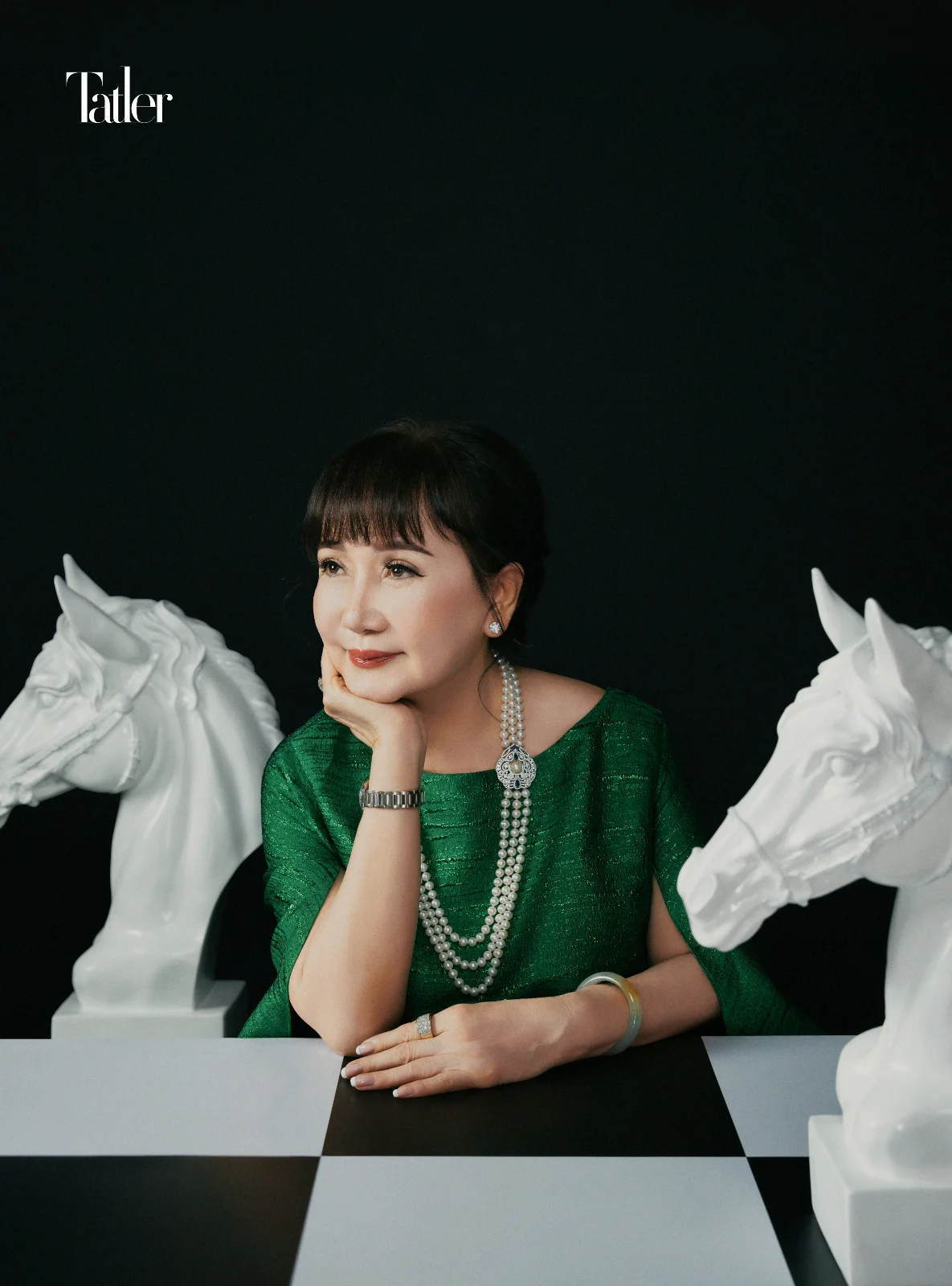
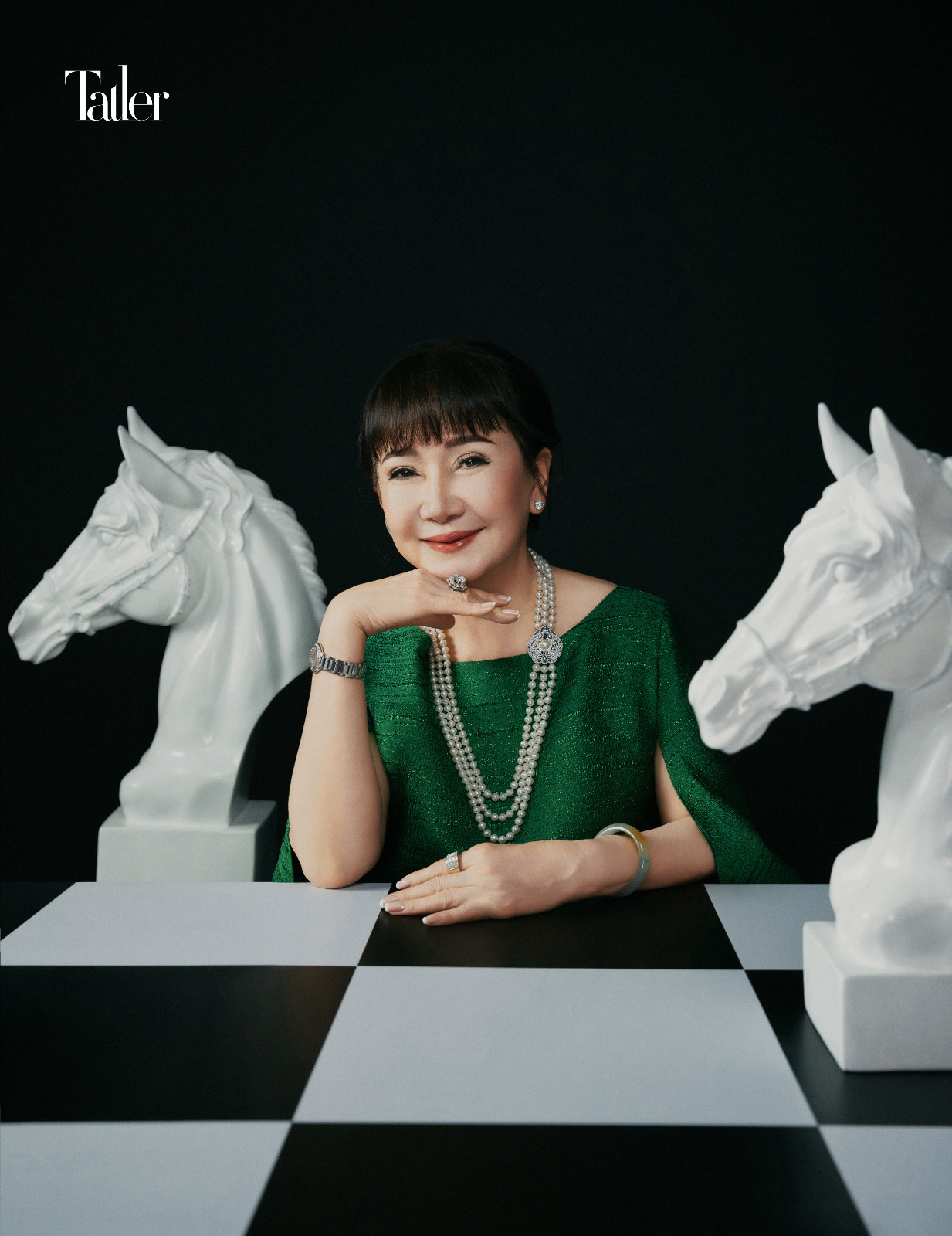
After nearly five decades in business, she has devoted considerable effort to community and charitable activities. What does "giving" mean to her in the journey of building a meaningful life?
To me, "giving" is, first and foremost, a way to express gratitude for life. I have received so much from my family, my companions, the community, and the places I have visited so when I have the means, I want to share what I have with others.
Since my youth, I often accompanied my mother on boat trips to the market at the crack of dawn. Those simple, everyday images baskets of chicken and duck eggs, crates of fruit, small vendor stalls, and people bustling to make a living became deeply etched in my memory. Perhaps it was during those days that I first understood the hardships of life, learned to value hard work, and developed a deeper empathy for those facing adversity.
I do not believe that giving requires grand gestures. Sometimes, it is simply helping someone in a moment of need, contributing a little effort to a local community, or creating opportunities for someone to stand on their own two feet. What matters most is giving sincerely and at the right moment.
We have organized annual initiatives such as the "TTC – Stepping Stones to Success" scholarship program in Vinh Long province (formerly Ben Tre province) running continuously since 1985 to support underprivileged students in overcoming obstacles and the "White Shirts of Love: Going to School" program, which has donated over 10,000 white school shirts, along with gifts, books, supplies, and financial aid, to students across the country.
After nearly five decades in business, I have come to deeply realize that the value of a life lies not only in what we possess but also in what we leave behind for others. If I can help even one more person, family, or community improve, then that is a life well-lived.
Source: Tatler