For many years, the resort real estate market has developed based on familiar advantages such as beachfront location, international operating brands, or large-scale amenities.
However, with increasing supply and changing travel behavior, competition among destinations seems to be entering a new phase: It's not just about being more beautiful or luxurious, but also about being unique enough to make visitors want to return.
This trend is particularly evident in Phu Quoc – considered a new growth hub for Vietnamese tourism. According to VNA, in the first five months of 2026 alone, Phu Quoc is estimated to have welcomed approximately 4.77 million visitors, a 34.2% increase compared to the same period; international visitors reached about 1.17 million, a 51% increase; and total tourism revenue is estimated at nearly 27,000 billion VND, a 50.4% increase compared to the same period last year.
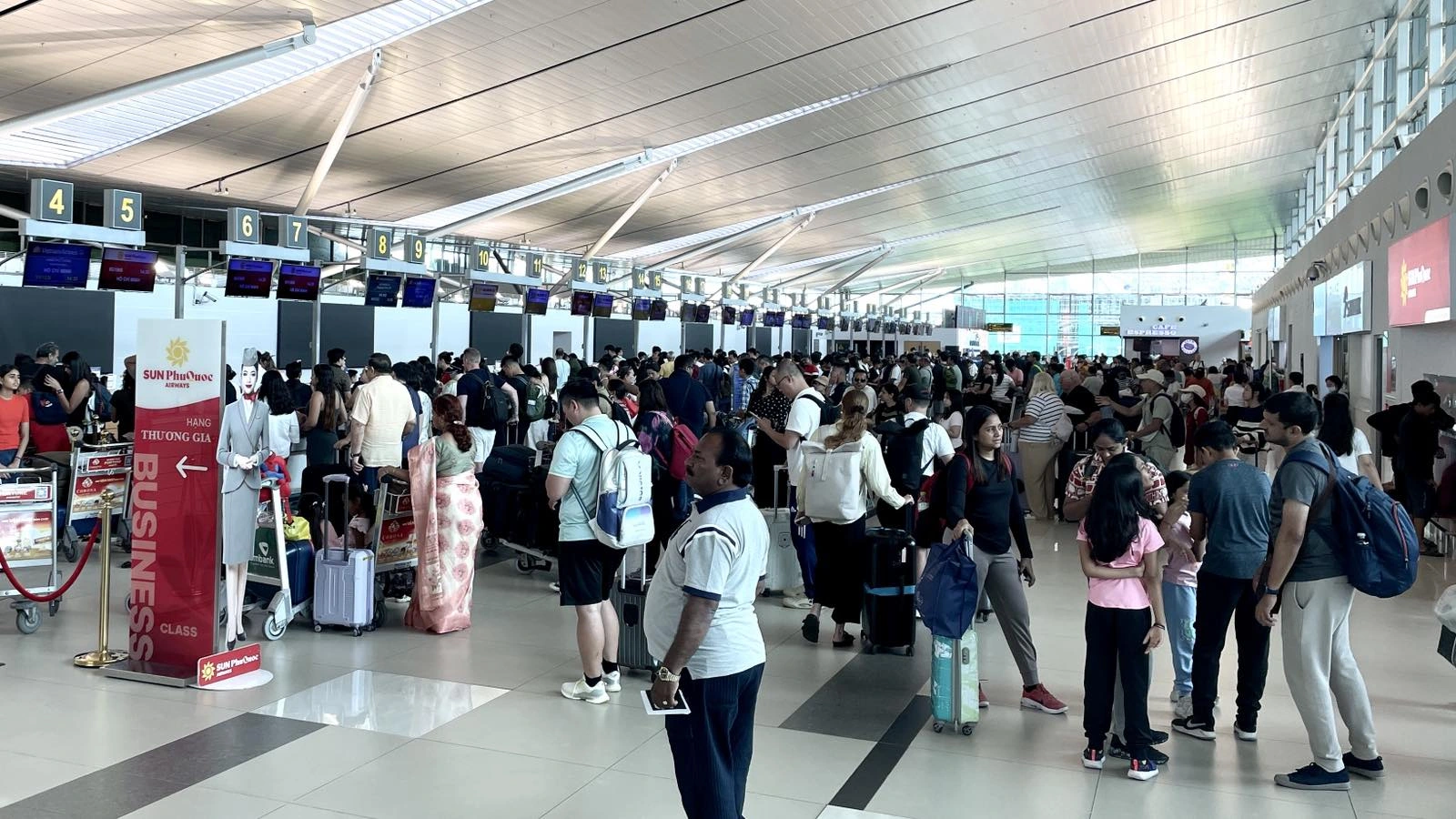 Phu Quoc is experiencing strong tourism growth, becoming a new focal point of Vietnam's resort market.
However, as the market enters a more advanced stage of development, the question is no longer how to attract tourists for a single visit, but how to get them to return repeatedly.
Experience becomes the new measure of a destination
Around the world, many successful tourist destinations possess a unique identity strong enough to leave a lasting impression on visitors. Japan is associated with traditional culture and indigenous spirit. Bali stands out for its distinctive cultural and spiritual ecosystem. Santorini establishes its position through architecture, landscapes, and unique local experiences that are difficult to replicate.
In Vietnam, this trend is also gradually emerging as the demand for experiential tourism, cultural tourism, and the search for local values increases. In this context, resort projects with a clear development story, a unique identity, and a distinctive mark are considered to have a greater advantage in maintaining long-term appeal.
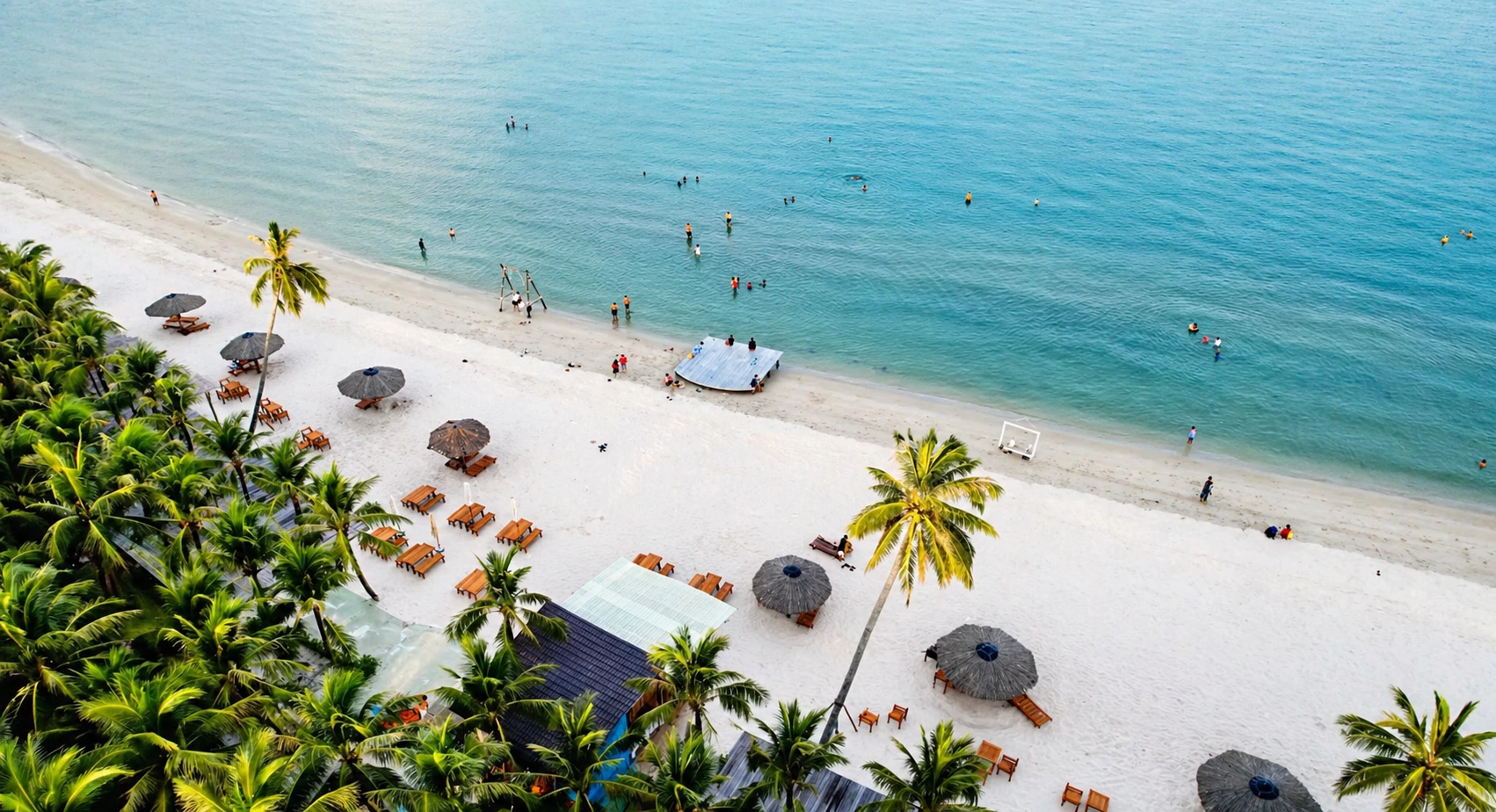 Vinh Dam Beach - an area boasting a unique marine, forest, bay, and island ecosystem in Southern Phu Quoc.
Local Identity Becomes a Differentiating Factor
This shift is even more evident as Phu Quoc faces new growth opportunities from APEC 2027.
According to ongoing plans, the island is accelerating a series of key infrastructure projects to serve the APEC 2027 High-Level Week, including an airport, connecting transportation routes, a convention center, a service complex, and a large-scale accommodation system.
Many experts believe that APEC 2027 is not only an important diplomatic event but also a catalyst to elevate Phu Quoc's international standing, boosting tourism, investment, and the real estate market into a new development cycle.
One of the directions attracting market attention is making local culture the foundation of destination development, rather than just a decorative element.
In South Phu Quoc, Selavia is one of the projects pursuing this direction.
Instead of developing as a mere resort, the project is positioned as a "City of Vietnamese Identity," spanning nearly 290 hectares and boasting over 2 km of private coastline along Vinh Dam.
Here, Vietnamese cultural elements are integrated into the experiential ecosystem through spatial planning, themed zones, art activities, festivals, cuisine, and cultural programs built with a long-term vision.
A prominent highlight of the project is the artificial lotus-shaped island in the middle of Vinh Dam – a symbol inspired by the lotus flower, considered the national flower of Vietnam. This is considered a key identifying feature, reflecting the project's orientation towards using Vietnamese culture as its foundation.
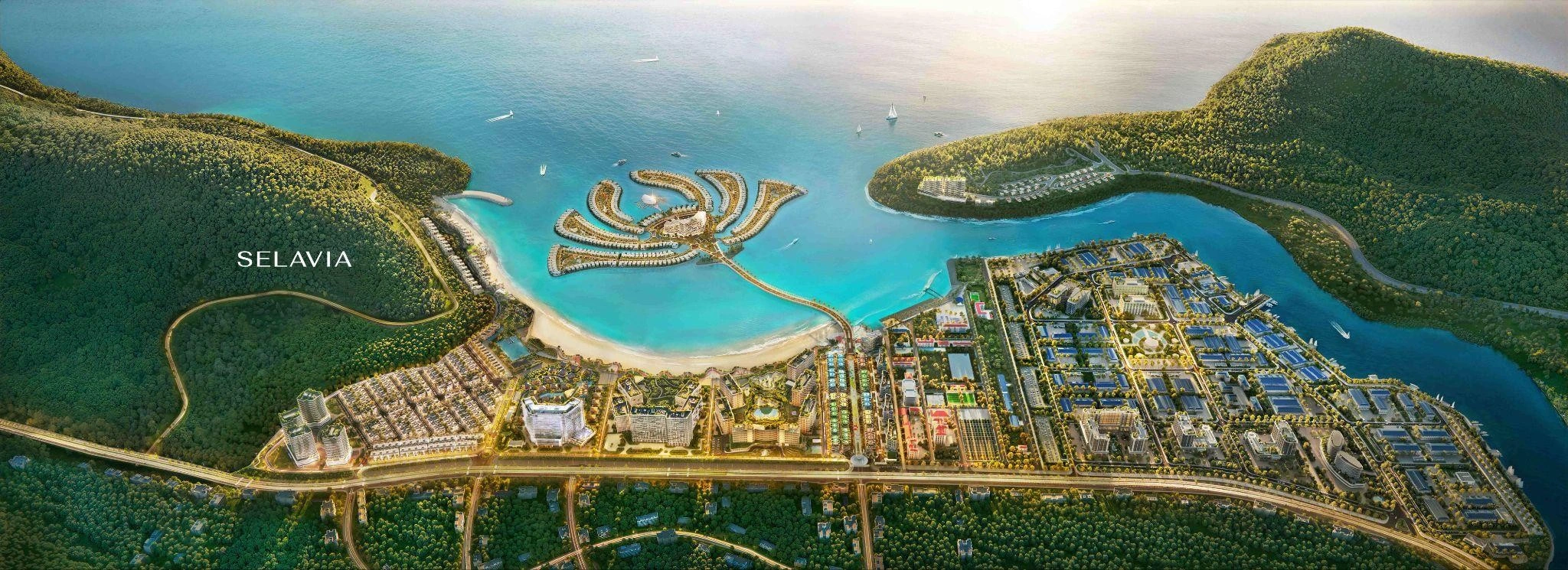 Rendering of Selavia Aura subdivision - the central subdivision of the Selavia project, expected to launch at the end of June 2026 in South Phu Quoc.
In addition, the system of 10 zones at Selavia features cultural themes such as: Old Town, Legends, Heritage, Jade Flower, or Festivals, creating an experiential journey connected to traditional values recreated in a contemporary language. The four layers of nature – sea, forest, bay, and island – are exploited as a whole, rather than just as background landscapes. The "Vietnamese Identity" element at Selavia is also clearly depicted through cultural, artistic, culinary, and recreational activities. All of this creates a unique experience, not only offering novelty and excitement for tourists but also contributing to preserving and promoting the beauty of Vietnamese culture to international friends.
Ultimately, while modern amenities can be similarly invested in, and architecture can be copied, identity is the most difficult element to replicate. And as the market enters a selective phase, this can also be one of the most sustainable advantages.
In its journey to realize the positioning of "City of Vietnamese Identity," TTC Phu Quoc plans to launch the Selavia Aura subdivision at the end of June 2026. With the concept of a "City Center," Selavia Aura is envisioned as a space that brings together commercial, entertainment, and experiential activities, contributing to the completion of the entire project's service ecosystem.
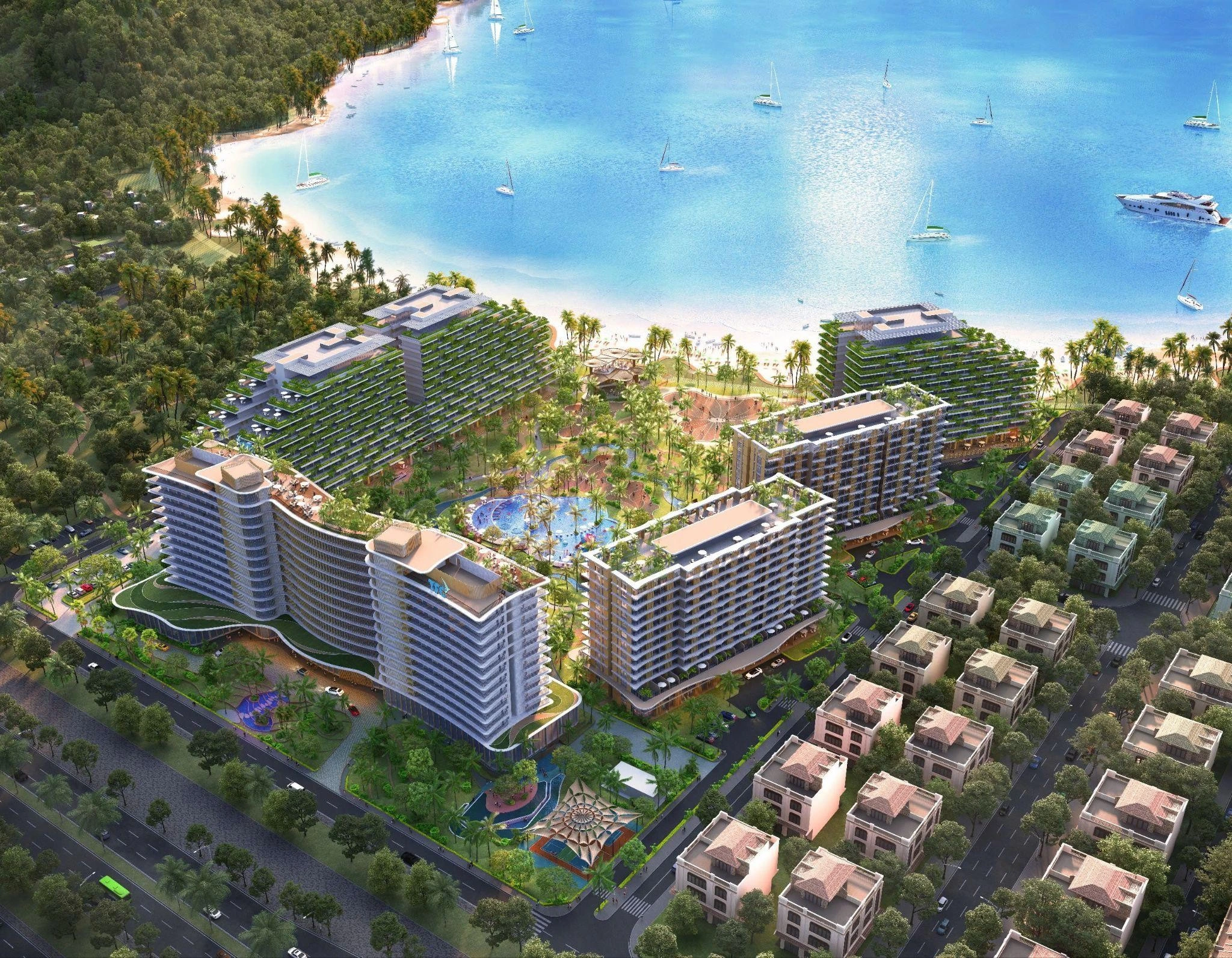 Rendering of Selavia Aura subdivision - the central subdivision of the Selavia project, expected to launch at the end of June 2026 in South Phu Quoc.
Amidst Phu Quoc's accelerated infrastructure investment and preparations for APEC 2027, Selavia Aura and its line of holiday apartments are expected to capitalize on the growing demand for tourism and leisure as the island enters a new growth cycle.
According to Thanh Nien Newspaper