Synchronized infrastructure and remaining land resources are propelling South Phu Quoc into a new growth cycle, opening up potential for diverse development models.
For an island market like Phu Quoc, infrastructure is a crucial factor determining growth rate. Experts believe that with convenient connectivity, the flow of tourists is more likely to return; and with upgraded transportation, aviation, port, and service infrastructure, investor confidence is gradually strengthened.
In recent years, Phu Quoc has become a popular destination for tourists and investors thanks to the comprehensive and well-developed infrastructure, from international airports and the North-South transportation axis to seaports and resort, entertainment, and commercial complexes.
When infrastructure becomes operational and effective, two parallel flows typically emerge in the market. Firstly, there is a return of tourists, driving demand for accommodation, relaxation, experiences, shopping, and services. Secondly, investment capital is returning as the market becomes clearer, legal aspects are more carefully considered, and projects with good progress, planning, and implementation capacity are prioritized.
In particular, while the North of Phu Quoc Island is marked by large-scale tourism complexes, the South of Phu Quoc benefits from the airport-An Thoi-seaport-Dam Bay connection axis, with remaining land potential and room for developing resort urban models, commercial services, and experiential tourism.
In the development of resort real estate, connectivity is not just about travel distance, but also about the ability to generate customer flows, consumer demand, and capital.
"Accordingly, projects located on major transportation arteries, near the airport, near seaports, and near key functional areas will have an advantage in attracting residents, tourists, investors, and service business models," one expert commented.
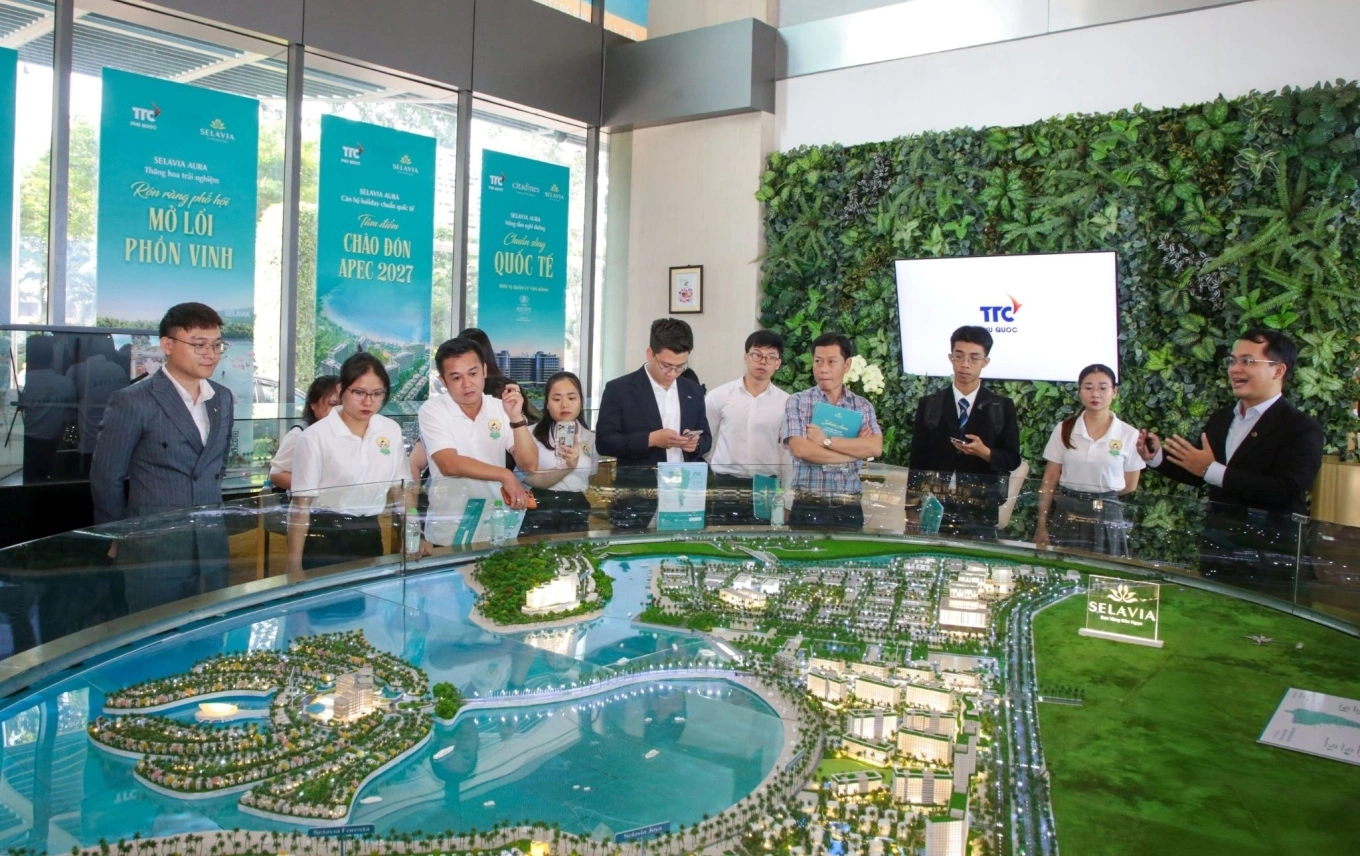 Investors are reviewing the master plan for the Selavia project in the Dam Bay area, South Phu Quoc.
The southern part of Phu Quoc Island is considered to have the potential to become a new growth hub. As infrastructure gradually improves, the demand for accommodation, resorts, commercial activities, and unique experiences tends to increase. This creates favorable conditions for projects planned for sustainable operation, rather than focusing solely on real estate sales.
On the other hand, after the initial screening phase, investors are not only interested in location or potential for price appreciation, but also in factors such as legal aspects, progress, financial capacity, development experience, and the developer's operational capabilities. This is especially true for resort real estate, because a project with beautiful planning but lacking operational capacity will struggle to generate sustainable cash flow. Conversely, a developer with a multi-industry background, implementation experience, and the ability to connect with the ecosystem will build greater investor confidence.
As the investor of the Selavia project, TTC Phu Quoc – a member of the TTC Group – inherits the financial foundation and experience from the diversified group with nearly 47 years of development. This advantage allows the company to create linkages between real estate, tourism, services, and operations, aligning with the market trend of shifting from short-term investments to assets with real exploitable value.
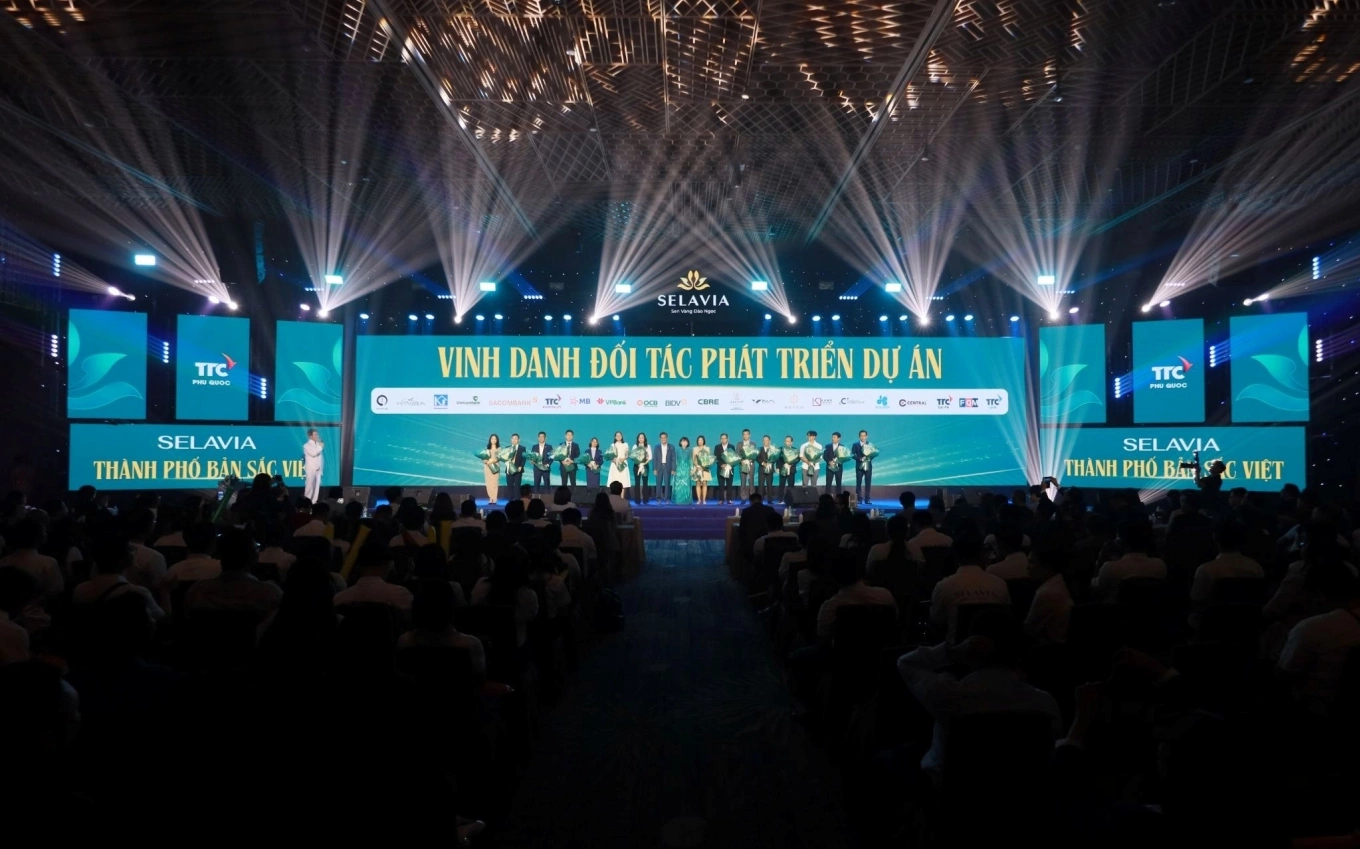 The TTC Group leadership (center) presents flowers to congratulate partners participating in the development of the Selavia project.
Along with investment and development, sustainable development strategy is also a key focus for the company. Selavia is developed in accordance with ESG criteria, aiming for a balance between economic growth, preservation of the natural ecosystem, and contribution to the local community.
Following this direction, the project not only exploits the natural advantages of Dam Bay but also focuses on creating a resort urban space with a rich experiential value and long-term operational potential.
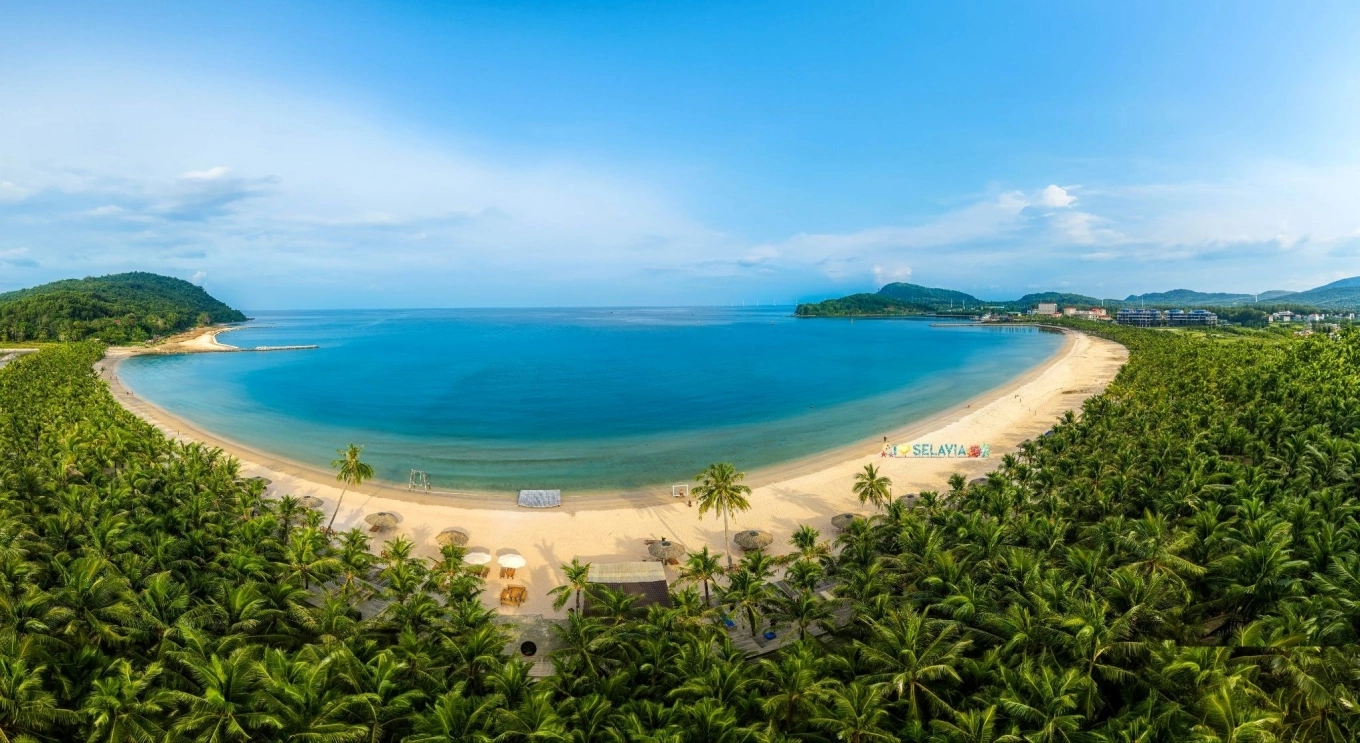 The Selavia project embraces the entire Dam Bay.
Spanning nearly 290 hectares, Selavia – a coastal project in South Phu Quoc – boasts a multi-layered natural landscape encompassing sea, forest, bay, and islands. In particular, its advantage of over 2 km of coastline provides the foundation for a comprehensive coastal experience ecosystem, including accommodation, resorts, commerce, dining, entertainment, water sports, and cultural and community activities. This also forms the basis for the project's potential for development and operation once it becomes operational in the future.
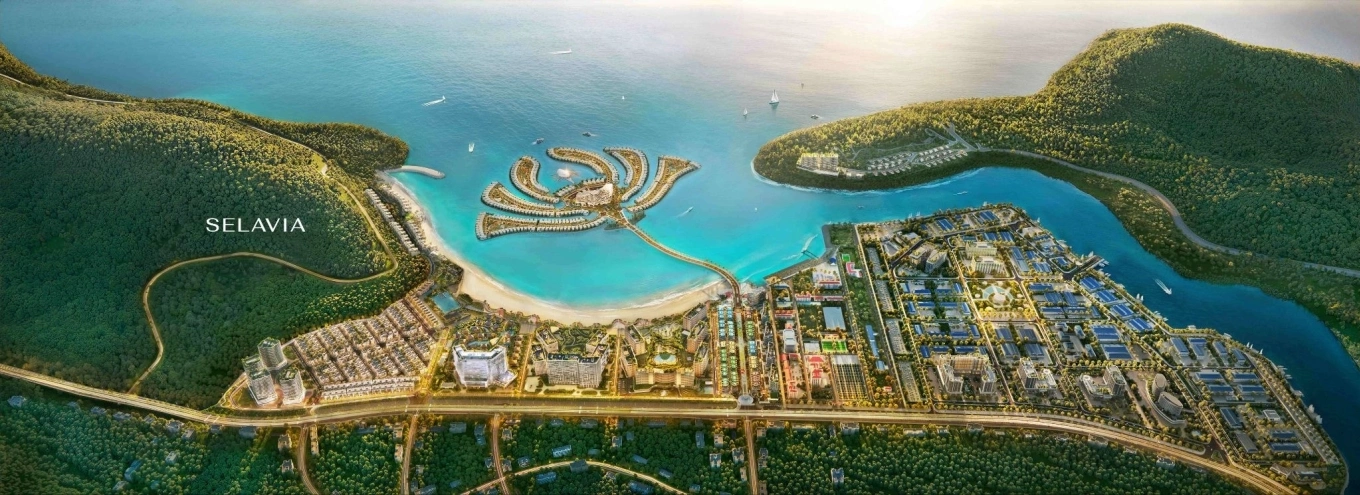 A rendering of Selavia at Dam Bay, a project developed by TTC Phu Quoc as a resort town with a distinct Vietnamese identity.
With a focus on sustainable investment and development, Selavia is expected by its investor to contribute to the unique tourism and resort offerings of Southern Phu Quoc, while also creating further impetus for the region's development in the new growth cycle.
According to VNExpress newspaper.