As the market enters a selective phase, the question is no longer simply 'where to invest', but 'which models actually generate cash flow'.
 Projects that develop a complete experiential ecosystem tend to have a more stable cash flow in the long term.
What are the key factors for success when investing in a resort project?
This is a question that seems to constantly preoccupy investors today. And the answer, based on practical analysis, shows that it doesn't simply lie in location or design, but focuses on development thinking and operational capabilities.
Experts believe that investors are often attracted by the promised return on investment on paper, but what truly determines cash flow is the actual occupancy rate, average length of stay, and customer spending potential. These are factors that only projects with a complete experiential ecosystem can achieve.
This is why the question for investors is no longer 'where to buy,' but 'which model can operate and generate sustainable cash flow.' And the answer points in a very clear direction: models that create an 'on-site economy,' where guests not only stay but also spend, will yield better operational efficiency.
Phu Quoc: When Money Finds a Specific Address
Amidst a resort real estate market setting such stringent requirements, Phu Quoc emerges as one of the few destinations demonstrating strong real demand.
According to Skyscanner's Trending Destinations 2026 report, Phu Quoc is expected to welcome nearly 1.9 million international visitors in 2025, almost double the number in 2024.
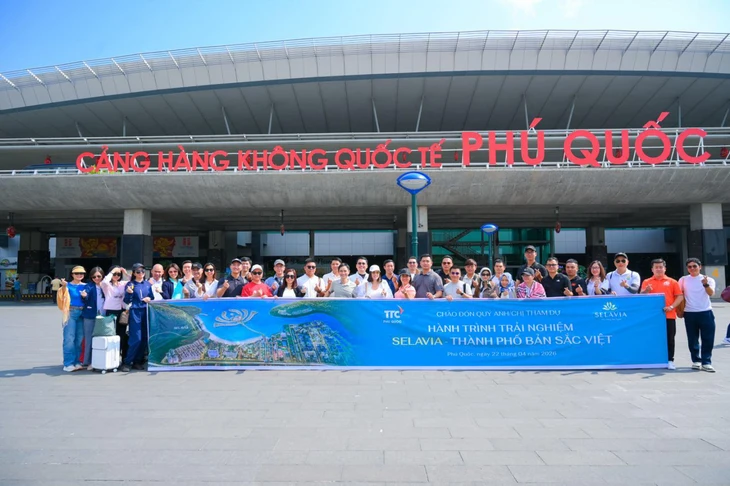 Improved transportation infrastructure and open international policies are creating momentum for a new growth cycle of tourism in Phu Quoc.
Connectivity infrastructure continues to expand: the international passenger port is now operational, and the airport is preparing to open additional routes from Singapore, India, and China, aiming for 10 million passengers by 2030.
The 30-day visa-free entry policy for all nationalities, along with the globally applicable 90-day E-visa, further expands the pool of high-spending international tourists.
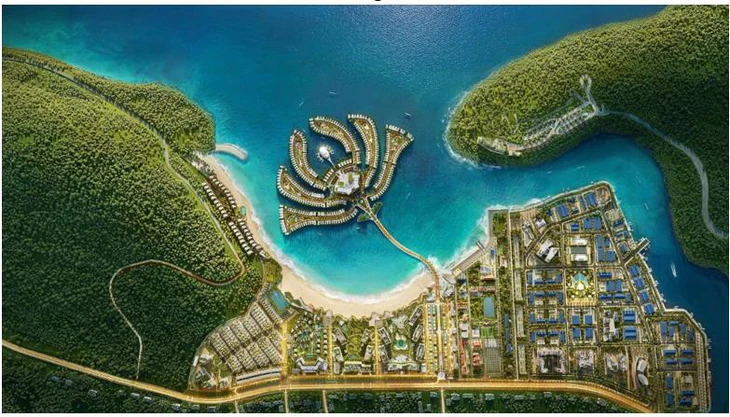 Selavia is developed according to the 'Vietnamese Identity City' resort urban model, combining accommodation, experiences, and long-term operation.
In this context, Selavia Phu Quoc – the City of Vietnamese Identity, developed by TTC Phu Quoc (a member unit of TTC Group), is one of the notable projects in the South of the island, developing as a resort city with an experiential ecosystem and a long-term operational orientation.
The difference of Selavia Phu Quoc (Vinh Dam Complex) lies not only in its all-in-one investment model or prime location, but also in its unique concept of a ‘City of Vietnamese Identity,’ a development direction that cannot be replicated or easily replaced.
In a market where most resort projects are competing with similar international resort models and are increasingly losing their appeal, Selavia Phu Quoc recreates and celebrates Vietnamese cultural identity as a comprehensive tourism experience, creating reasons for guests to return, spread the word, and stay longer.
In the resort industry, longer stays and higher return rates are the direct foundation of sustainable occupancy rates.
Projects are managed and operated by reputable domestic and international companies such as Ascott and CBRE, creating a clear difference in operational standards and the experience compared to self-operated models.
When the project's ecosystem creates a genuine 'internal economy,' the owner's cash flow is secured by actual operational activity and real demand at the destination.
Many experienced professionals believe that the resort market is entering a new development cycle, where investment thinking shifts significantly from expectations of price appreciation to actual operational efficiency.
And in that cycle, resort real estate is not just an asset, but also a cash flow generating machine. Market signals are becoming increasingly clear: occupancy rates are increasing, transactions are returning, and real estate is starting to generate actual revenue.
However, these opportunities are not equally distributed; advantages will belong to projects with strategic locations, well-planned layouts, complete experiential ecosystems, developers with long-term implementation capabilities... and of course, the involvement of reputable management and operation units.
According to Tuoi Tre Online Newspaper