Drawing on the situation in Phu Quoc and insights shared at the forum, the Chairman of TTC Phu Quoc observed that infrastructure, tourism, destination branding, and the upcoming APEC 2027 summit are creating new growth potential for resort real estate.
Multiple drivers for market recovery are emerging
Recently, at the Ariyana International Convention Palace in Da Nang, Construction Newspaper, in collaboration with the Vietnam Real Estate Association and the Real Estate Review Community, successfully organized the "Vietnam Resort Real Estate 2026" forum.
As a notable speaker at the event, Mr. Nguyen Thanh Ngu, Chairman of TTC Phu Quoc, noted that the forum's discussions focused on the essential conditions for the resort real estate market to enter a new growth cycle: a transparent legal framework, access to capital, product quality, operational standards, and the capacity to create compelling destinations.
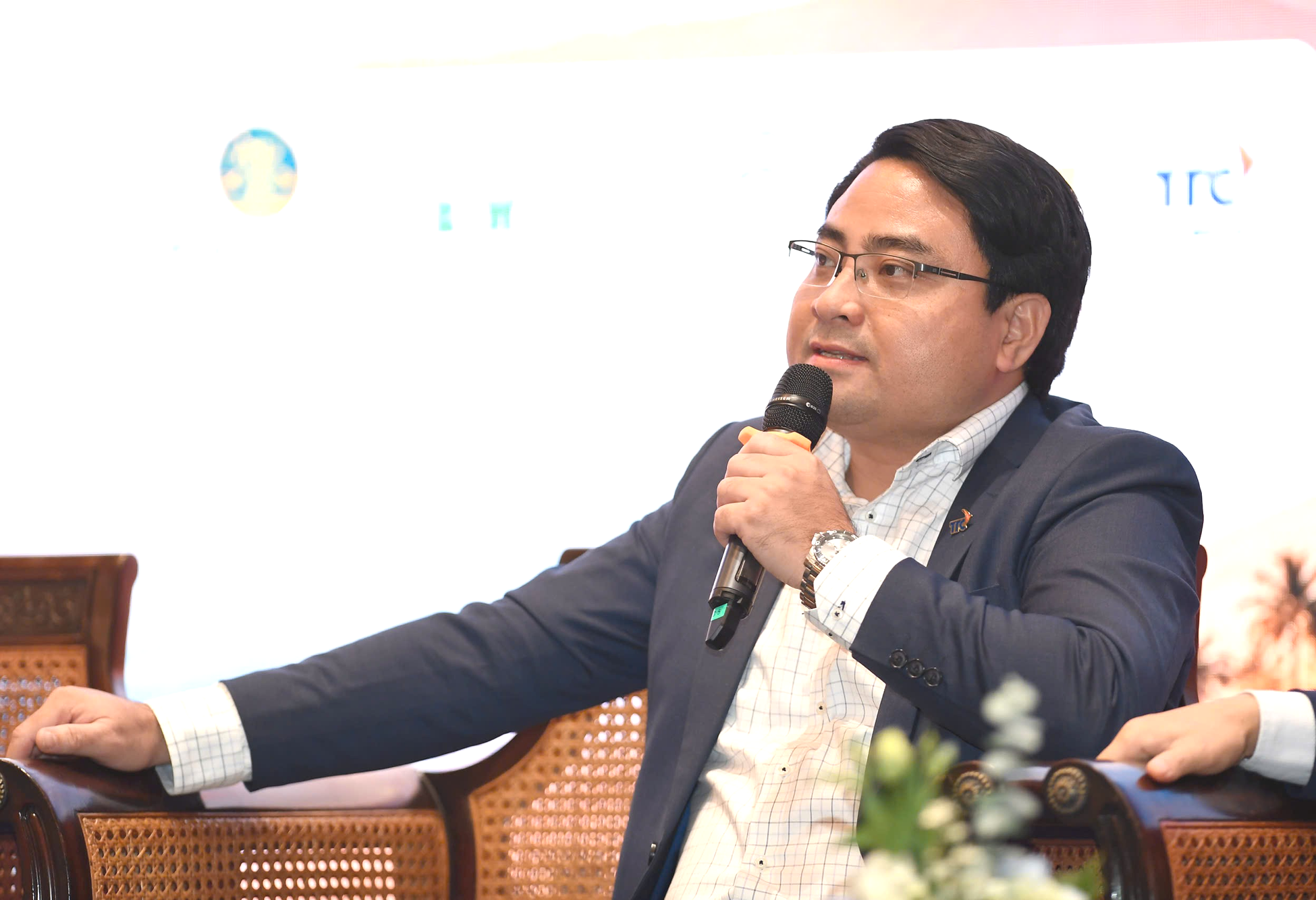 Mr. Nguyen Thanh Ngu, Chairman of TTC Phu Quoc.
Speaking after the forum, Mr. Ngu affirmed that the resort real estate market is entering a new recovery cycle, though it will not revert to the development models of the past.
"Key drivers today stem from the tourism recovery, improving infrastructure, and demand for destinations that offer high-quality services, unique experiences, and strong branding. Markets such as Phu Quoc, Da Nang, Nha Trang, and Quang Ninh still hold significant potential as visitor numbers and the demand for resort stays continue to rise," Mr. Ngu noted.
However, according to the executive, this new cycle will be characterized by greater selectivity. Investors are placing increased emphasis on legal status, operational capabilities, actual cash flow, and the intrinsic value of the destination. Consequently, projects with clear legal standing, suitable products, professional management, and genuine appeal to tourists will hold a competitive advantage.
A case in point is the Selavia Phu Quoc project, which the company is developing in alignment with new market trends, aiming to create a comprehensive resort destination that embodies a distinct Vietnamese identity.
The project is expected to meet the criteria that matter most to investors ranging from location, legal clarity, and revenue-generating potential to operational quality and guest experience thereby attracting significant investor interest.
Expectations regarding regulatory improvements
Currently, Mr. Ngu stated that the company’s primary expectation from the amendments to the Law on Housing and the Law on Real Estate Business is the establishment of a clear, consistent, and long-term stable legal framework for resort real estate products.
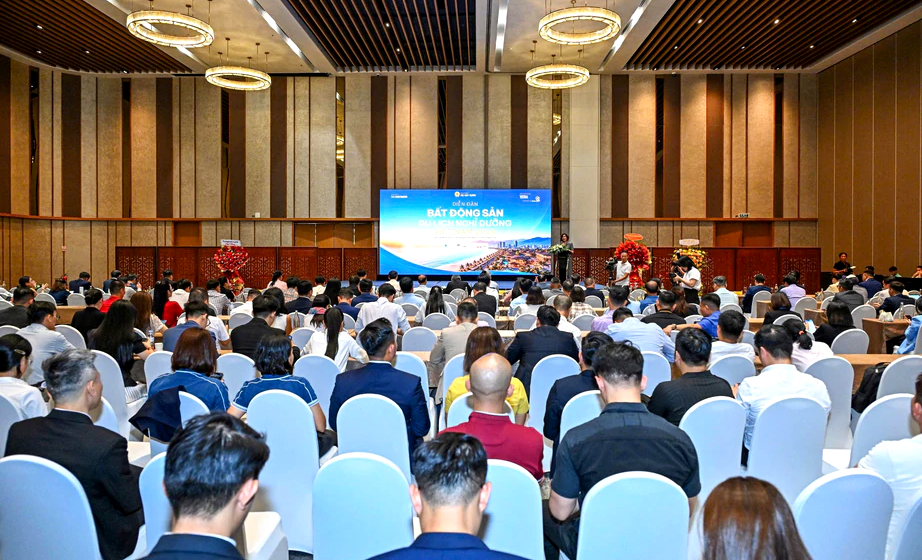 Overview of the "Vietnam Resort Real Estate 2026" Forum.
Regarding condotels, officetels, and tourism accommodation facilities, TTC Phu Quoc executives emphasize the need to clarify ownership rights, usage rights, and ownership terms, as well as the mechanisms for asset transactions and operations. Furthermore, regulations concerning land, zoning, construction, real estate business, and accommodation operations must be harmonized to provide a clear framework for businesses to implement projects in accordance with their intended purposes.
In addition, it is essential to clearly define the rights and responsibilities of developers, investors, and operators particularly regarding asset management, revenue sharing, and related commitments. Only with a clear legal framework will businesses feel confident enough to make long-term investments and investors feel secure in committing their capital, thereby unlocking the flow of funds into the market.
Another issue drawing attention from the business community and investors at the forum concerns the mechanisms governing foreign nationals renting, entering into rent-to-own agreements for, or investing in resort real estate.
Mr. Ngu suggests that Vietnam could explore expanding the mechanisms allowing foreigners to rent, enter into rent-to-own agreements for, or invest in resort real estate. This could serve as a vital channel for connecting international capital flows with Vietnam's tourism industry.
Regarding the Selavia Phu Quoc project specifically, Mr. Ngu has observed significant interest from international customers particularly from Eastern Europe (especially Russia) and Asia (such as South Korea). These clients are interested not only in owning a vacation retreat but also in the potential for generating cash flow through accommodation operations.
 Tourists vacationing at the Selavia Phu Quoc project.
However, expansion must be accompanied by clear control mechanisms. Specific regulations are needed regarding ownership rights, usage terms, intended use, transaction conditions, financial obligations, and necessary legal limitations under Vietnamese law.
Mr. Ngu believes that if a mechanism is established that is both flexible and transparent, the influx of international visitors who come to Vietnam for tourism could also become a source of long-term investment capital for resort destinations.
He argues that creating a transparent legal framework one that recognizes and protects ownership rights for products like condotels will be a key factor in unlocking capital flows for resort real estate.
"When ownership rights, usage terms, and operational rights for products like condotels are clearly defined, investors will have the legal assurance needed to commit their capital; meanwhile, credit institutions will find it easier to value assets and consider financing," Mr. Ngu stated.
Furthermore, a transparent legal framework helps clearly define the responsibilities of developers, investors, and operators, thereby minimizing disputes and gradually restoring market confidence.
However, the executive emphasized that a sound legal framework is merely a necessary condition. For capital to truly return and remain for the long term, products must be capable of efficient operation, attracting guests, and generating real cash flow. A transparent legal framework combined with operational excellence forms the foundation for more sustainable market development.
Source: Real Estate Newspaper