According to Mr. Dang Hong Anh, unlocking private capital flows into emerging sectors such as data centers, digital infrastructure, and green energy requires specific incentive mechanisms, "green-lane" procedures, and sources of long-term financial support.
Speaking at the conference on investment connection and development cooperation between Ho Chi Minh City and the provinces of the Southeast and Mekong Delta regions on September 17, Mr. Dang Hong Anh Vice Chairman of TTC Group and Chairman of the Vietnam Young Entrepreneurs Association noted that TTC Group has over 47 years of development history. The group operates across sectors including high-tech agriculture, renewable energy, real estate (including industrial real estate and logistics), tourism, education, and healthcare.
Within the group's operational structure, Ho Chi Minh City serves as the hub for management, finance, and research and development (R&D), while the southern provinces act as a strategic production belt, accounting for over 70% of TTC's total investment volume.
Currently, the enterprise exports deeply processed agricultural products to more than 40 countries, operates a clean energy system with a total capacity exceeding 600 MW, and develops infrastructure for industrial zones and clusters covering over 1,300 hectares.
Mr. Dang Hong Anh emphasized that investment experience demonstrates that for businesses to achieve sustainable growth, they must proactively innovate their management practices while boldly venturing into new manufacturing and infrastructure sectors.
Amid the rapid pace of digital transformation, the green transition, and the rise of artificial intelligence (AI), the TTC Group representative argued that now is the time to establish appropriate mechanisms to facilitate deeper private capital participation in these emerging sectors.
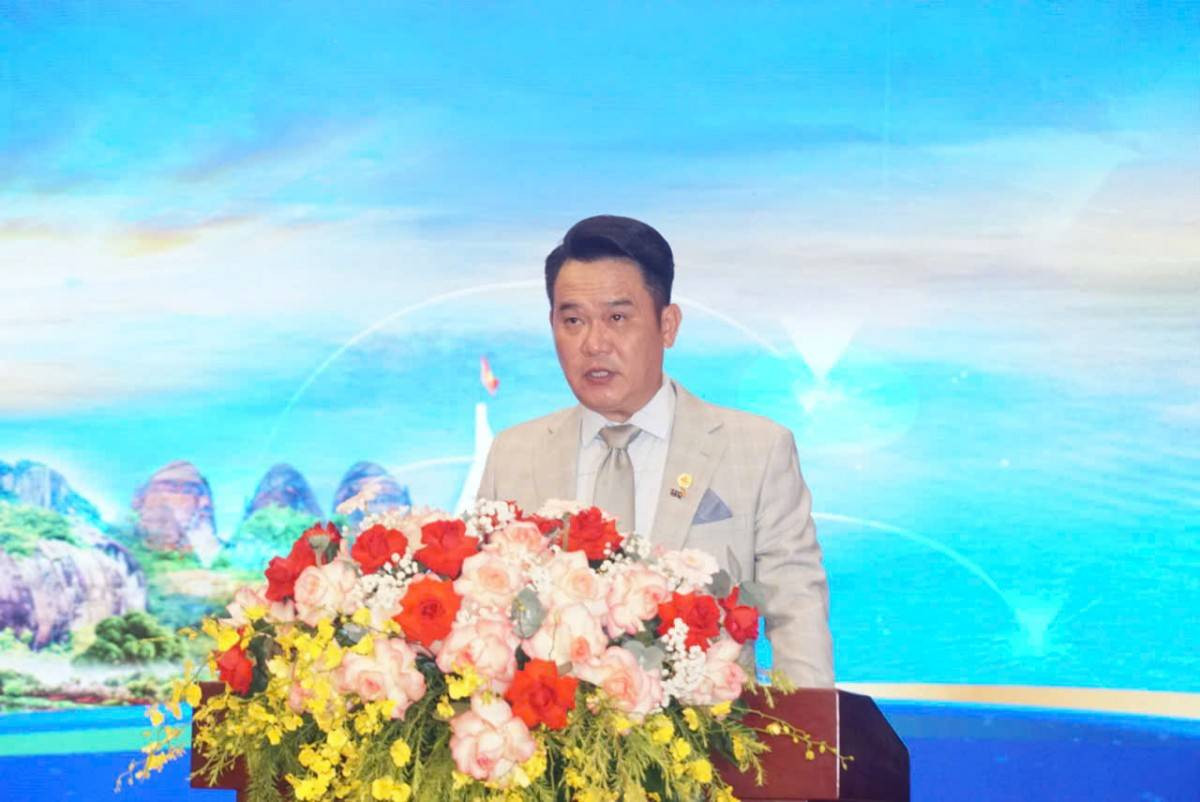 Mr. Dang Hong Anh spoke at the conference.
Special incentives for data centers, digital infrastructure, and green energy
The first recommendation put forward by Mr. Dang Hong Anh is to establish a special incentive mechanism to encourage businesses to invest in new technology infrastructure, including data centers, digital infrastructure, and green energy.
Accordingly, the State needs to promptly designate "clean" land banks for these projects, ensure a high-capacity power supply, and consider implementing flexible policy sandbox mechanisms.
These are considered crucial factors for new technology infrastructure and energy projects, which require substantial capital, long-term investment horizons, and demanding infrastructure specifications.
Proposing a "green channel" for large-scale green transition projects
In the second group of solutions, Mr. Dang Hong Anh proposes a shift in management mindset, continued reduction of administrative procedures, and the exploration of a "green channel" mechanism or a truly effective "single-window" system for large-scale green transition projects.
In his view, shortening procedural processing times not only helps businesses cut costs but also creates a more secure legal environment for entrepreneurs bold enough to invest in emerging sectors.
Alongside procedural reforms, Mr. Dang Hong Anh emphasizes the need to build a legal environment secure enough to protect entrepreneurs who demonstrate a willingness to innovate and take initiative.
Need for technology support funds and long-term credit
The third solution focuses on financial resources. The TTC Group representative proposes establishing funds to support technology development and green transitions, alongside preferential, long-term credit packages.
In addition to direct capital support, Mr. Dang Hong Anh suggests policies to encourage major corporations to act as "anchor" enterprises, leading small and medium-sized enterprises (SMEs) to participate in supply chains. In this context, private sector resources can be mobilized not only for large-scale projects but also to create spillover effects for small and medium-sized enterprises (SMEs), thereby fostering a domestic production and supply ecosystem.
Representing the young business community, Mr. Dang Hong Anh advocates for a "three-legged stool" model comprising the private sector, the state sector, and the FDI sector working together to enhance national competitiveness.
Young entrepreneurs have also committed to proactively pursuing digital transformation and adopting ESG (Environmental, Social, and Governance) standards, thereby improving management capabilities and fostering substantive cooperation among businesses.
According to Mr. Dang Hong Anh, creating favorable policy frameworks, capital access, and infrastructure will enable private enterprises to participate more deeply in emerging sectors, thereby contributing to the transformation of the growth model and boosting the economy's competitiveness.
Source: Nguoi Quan Sat Newspaper