Resolution 68-NQ/TW of the Politburo identifies the private sector as the most important driving force of the economy, a pioneering force in the development of science and technology and innovation. To contribute to the implementation of this Resolution, the Vietnam Young Entrepreneurs Association has launched the initiative: “Each young entrepreneur mentors two new entrepreneurs,” to be implemented from now until 2030. This initiative opens up a new approach: entrepreneurs working alongside other entrepreneurs, transforming the spirit of sharing into concrete action. Mr. Dang Hong Anh, Chairman of the Vietnam Young Entrepreneurs Association and Vice Chairman of TTC Group, shared this with a reporter from the Bidding Newspaper on the occasion of the Lunar New Year (Year of the Horse).
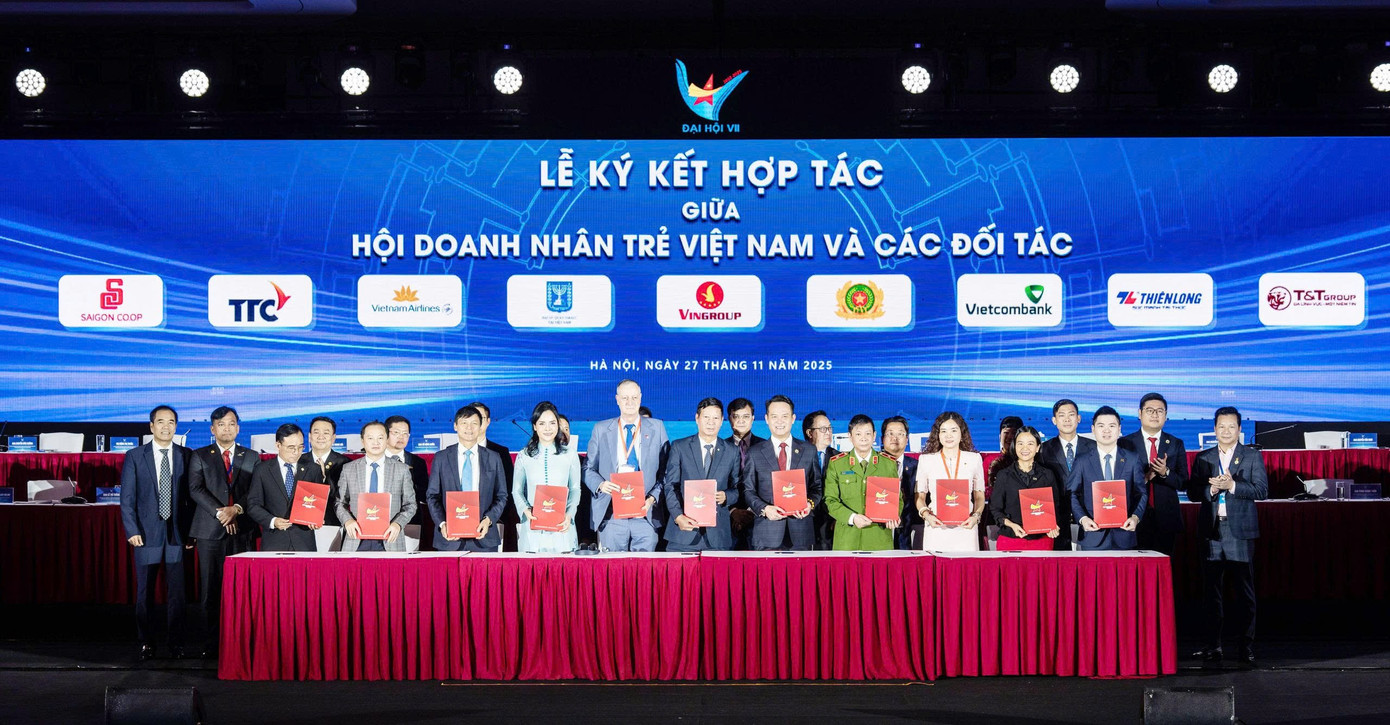 The Vietnam Young Entrepreneurs Association has many programs to connect and promote trade, aiming to build domestic value chains.
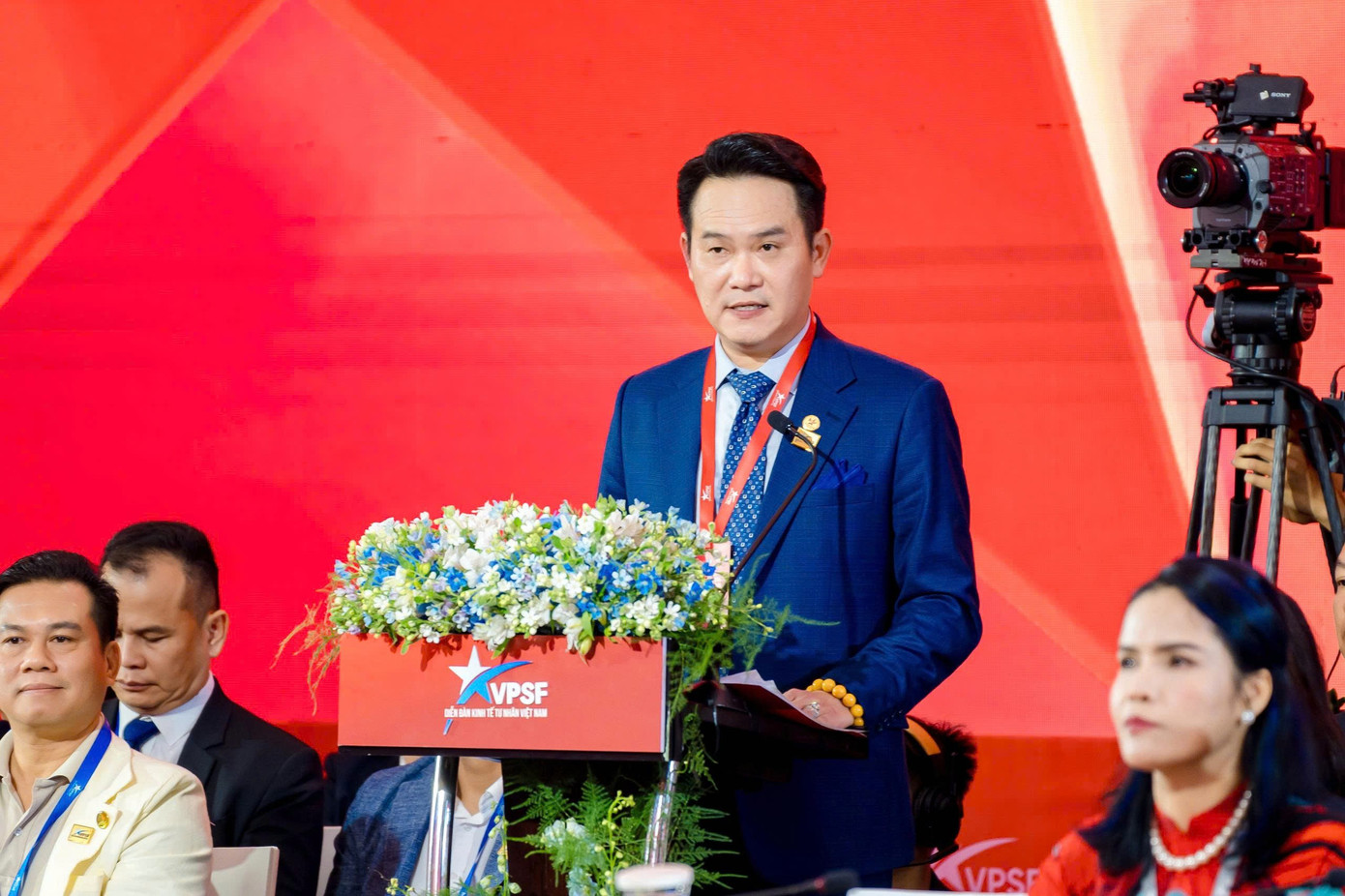
Mr. Dang Hong Anh, Chairman of the Vietnam Young Entrepreneurs Association, Vice Chairman of TTC Group
Could you please share why the Vietnam Young Entrepreneurs Association initiated the "Each Young Entrepreneur Mentors Two New Entrepreneurs" program?
This is not a spur-of-the-moment decision, but stems from a clear understanding of the "bottlenecks" in the private sector.
Firstly, there's the problem of "large in quantity but weak in quality." Every year, hundreds of thousands of businesses are established in Vietnam, but many also leave the market. The majority of startup entrepreneurs fail not because they lack ideas, but because they lack practical experience, management skills, and a supportive ecosystem when facing setbacks. Mentorship from experienced entrepreneurs, if given at the right time, helps new entrepreneurs build resilience to survive and grow.
Secondly, the program originates from the core philosophy of the Vietnamese young entrepreneur movement over the past 30 years: the continuity of generations. The greatest asset of the previous generation of entrepreneurs is not money, but experience and expertise in the marketplace. To ensure the sustainable development of the young entrepreneur movement, we have chosen an approach that starts with people. The "One Young Entrepreneur Mentors Two New Entrepreneurs" program; the program to train 10,000 CEOs between 2025 and 2030; the program to support 50,000 business households in transforming into enterprises; and a series of initiatives to promote intra-regional trade and connect value chains are gradually creating an ecosystem that is self-reliant, substantive, and in-depth.
Thirdly, we are building domestic value chains. An economy cannot develop sustainably if large and small businesses are isolated. When a large enterprise mentors a small enterprise, they not only share management knowledge but also open up opportunities to participate in the actual supply chain. This is the shortest and most effective path for Vietnamese businesses to gradually move away from their outsourcing position.
The initiative of the Vietnam Young Entrepreneurs Association not only demonstrates a spirit of mutual support, but also provides a way for young businesses and enterprises to embark on a systematic and sustainable development path, minimizing unnecessary setbacks.
So what needs to be done to make the program a reality, sir?
For the program to be implemented effectively, the biggest challenge lies in the organizational and long-term commitment aspects; ensuring substance and avoiding formality.
The biggest obstacle in the implementation process is the reluctance of newly established businesses to share their limited resources. Conversely, large businesses are also concerned about investing time and resources only to find that those being mentored lack commitment or do not see it through to the end. In addition, there is a gap in mindset and management methods: experienced entrepreneurs talk about strategy, systems, and standardization, while new entrepreneurs are struggling with cash flow, orders, and personnel. Without a well-designed system, mentoring can easily become merely 형식적인 (formalistic) meetings, lacking effectiveness.
Another barrier is the mechanism for linking benefits. A mentoring relationship not tied to specific economic benefits is very difficult to maintain long-term.
To overcome these bottlenecks, we are shifting our mindset from "supporting the movement" to a win-win partnership. We are developing a Mentoring Code of Conduct, where mentoring goes beyond simply meeting and inspiring; it must have clear goals and measurable indicators: how management changes, how revenue improves, and how team capabilities are enhanced.
More importantly, we promote genuine business connections. Mentors commit to prioritizing the use of their mentors' products and services once they meet the criteria. This economic incentive will help deepen and sustain the mentoring relationship.
The program doesn't chase short-term trends but aims to create a long-term partnership model. Successful entrepreneurs will directly support new entrepreneurs during the 12 to 24-month period, the most high-risk phase of the startup process. Once new businesses thrive, they will create stable jobs, contribute sustainably to the budget, and become an important link in the formal economy.
Could you please share how far the program has progressed and whether any projects have been initiated yet?
We have announced our 10,000 CEO training program for the period 2025-2030. The roadmap consists of three phases: a launch and pilot program starting in Q4 2025 with 1,000 participants, an acceleration phase from 2027-2029 with 7,000 participants, and sustainable expansion by 2030 to achieve the goal. The program content closely follows the eight core competencies of modern leaders, including business strategy, financial management, human resources, risk management, technology, innovation, and international integration.
Using the “Mindset - Toolset - Skillset” approach, we aim to provide not only theory but also practical tools and skills applicable directly within businesses. This is also a journey of connection, mentoring, and inspiration to create a strong, united, and thriving community of entrepreneurs.
The Association implements a "1-on-1" program, where experienced entrepreneurs directly mentor and support startup projects, from capital and management technology to product distribution. In the past term, we supported 20 outstanding startup projects, and in the next term, we aim to support 100 projects, with 30% successfully securing funding. In addition, the "Outstanding Young Entrepreneur" program serves as an incubator to honor and motivate young people, building successful role models for youth to emulate.
Furthermore, another strategic goal is to support 50,000 individual business households in transforming into enterprises through the initiative "Each young entrepreneur mentors two new entrepreneurs," sharing management experience and risk prevention. This is how we build the workforce and foundation for the youth economic movement over the next 10-20 years.
To ensure the initiative spreads more widely, how does the Vietnam Young Entrepreneurs Association hope for support from the State and relevant ministries, departments, and localities?
To ensure the initiative spreads more widely, firstly, the policy for converting household businesses into enterprises needs to be simple, transparent, and have a clear roadmap. At the same time, there needs to be a policy to connect the network of entrepreneurs, viewing the business community as an "extended arm" of reform.
On the occasion of the New Year, what message would you like to convey to the young business community and those who are planning to start their own businesses?
No one grows strong alone. Sustainable success comes from sharing. When each entrepreneur mentors another, the economy will grow exponentially stronger. When entrepreneurs work together, growth ceases to be a solitary race and becomes a journey of shared strength.
According to the Bidding Newspaper